At the wire shop you will hear about “single core” and “multi core” cables, and sometimes 2-core, 3-core or 4-core. They are built differently and suit different jobs. Using the wrong type does not always cause an immediate problem, but it can make installation harder, cost more or reduce safety.
This guide explains the difference in simple words and shows which type is used where in a Pakistani house.
| Point | Single core wire | Multi core cable |
|---|---|---|
| Construction | One conductor with its own insulation | Two or more insulated conductors inside an outer sheath |
| Installation | Pulled through conduits in walls and ceilings | Can be clipped on surfaces or run without conduit |
| Colours | Each wire chosen in its own colour | Fixed colours inside the sheath |
| Flexibility of planning | Mix sizes and colours per circuit | All cores usually the same size |
| Typical use | House wiring: lights, sockets, AC lines, main line | Surface runs, outdoor runs, machines, appliance leads, pumps |
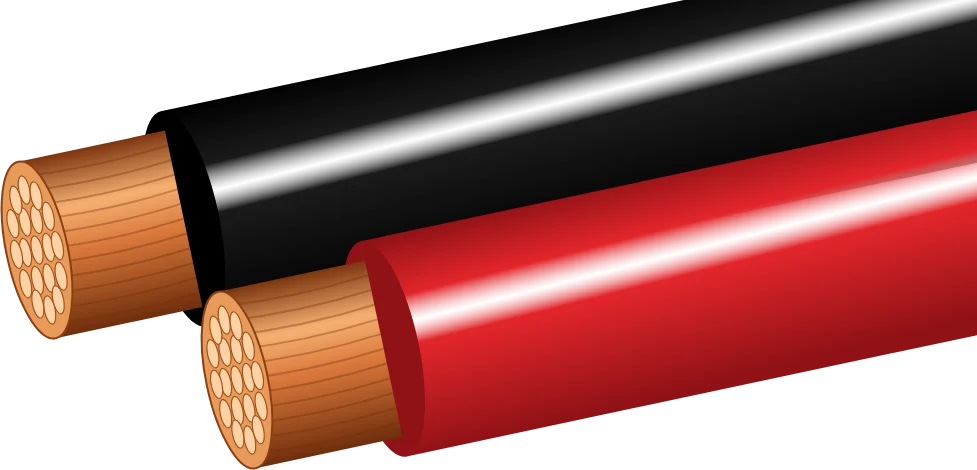
A single core wire has one copper conductor, solid or stranded, covered by one layer of insulation. In house wiring, separate single core wires for phase, neutral and earth are pulled together through PVC conduits hidden in walls and ceilings. This is the standard method for concealed house wiring in Pakistan.
A multi core cable has two or more insulated conductors bundled inside a tough outer sheath. A 2-core cable carries phase and neutral, a 3-core adds earth, and a 4-core is common for three-phase supplies. The outer sheath protects the cores, so the cable can be run where there is no conduit.
| Job | Recommended |
|---|---|
| Concealed wiring in a new house | Single core in conduit |
| Rewiring with existing conduits | Single core |
| Main line from meter to DB (in conduit) | Single core 7/52 or 7/64 |
| Surface wiring without conduit | Sheathed multi core cable |
| Outdoor or buried runs | Multi core cable rated for that use |
| Submersible pump | Dedicated pump cable |
| Appliance lead or extension | Flexible multi core cord |
Thrive Cables specialises in single core house wire made in Lahore with 99.9% pure copper and fire-retardant PVC insulation, in 7 colours and full-length coils: 1 mm², 3/29, 2.5 mm², 7/29, 7/36, 7/44, 7/52, 7/64 and 1/.044 earthing wire. Order at factory price on WhatsApp at +92 324 6570645.
Is single core or multi core better for house wiring?
For concealed wiring in conduits, single core is the standard and usually the better choice. Multi core suits surface, outdoor and appliance use.
What is a 3-core cable?
A cable with three insulated conductors, usually phase, neutral and earth, inside one outer sheath.
Can I use single core wire outdoors?
Only inside a suitable protective conduit. For exposed outdoor runs, use cable designed for outdoor use.
Is multi core cable more expensive?
Per metre it often costs more because of the outer sheath, and you cannot mix sizes and colours, so it can work out costlier for normal house circuits.
Single core wire is the standard for concealed house wiring in Pakistan: it pulls easily through conduits, allows proper colour coding and lets you choose the right size for every circuit. Multi core cable is the right tool for surface, outdoor, machine, pump and appliance connections. Use each where it belongs and have a qualified electrician confirm the plan.
Tell us the size and quantity. We reply on WhatsApp the same day.