A burnt socket, a smell of melting plastic behind a switchboard, a breaker that trips every summer evening. Most house fires that start from electricity in Pakistan begin with small warning signs like these, long before anything catches fire. The good news is that the causes are well known, and nearly all of them can be prevented with the right wire, the right protection and a few simple habits.
This guide explains why short circuits and electrical faults start fires, and the practical steps every homeowner can take to prevent them.
Electricity produces heat whenever it flows through a resistance. In a healthy installation, wires and connections are sized so that this heat stays low. A fire risk appears when something makes that heat build up faster than it can escape.
When a wire carries more current than it is designed for, it heats up. An AC running on a thin socket wire, or too many heaters on one circuit, slowly cooks the insulation until it cracks and fails.
A loose screw at a socket, switch or breaker creates a small, high-resistance spot. That spot can get very hot even when the wire itself is the right size. Loose terminals are one of the most common causes of burnt sockets and switchboards.
A short circuit happens when the live wire touches the neutral or earth directly, often because insulation is damaged by heat, rodents, nails or age. A very large current flows in a fraction of a second, producing sparks and heat.
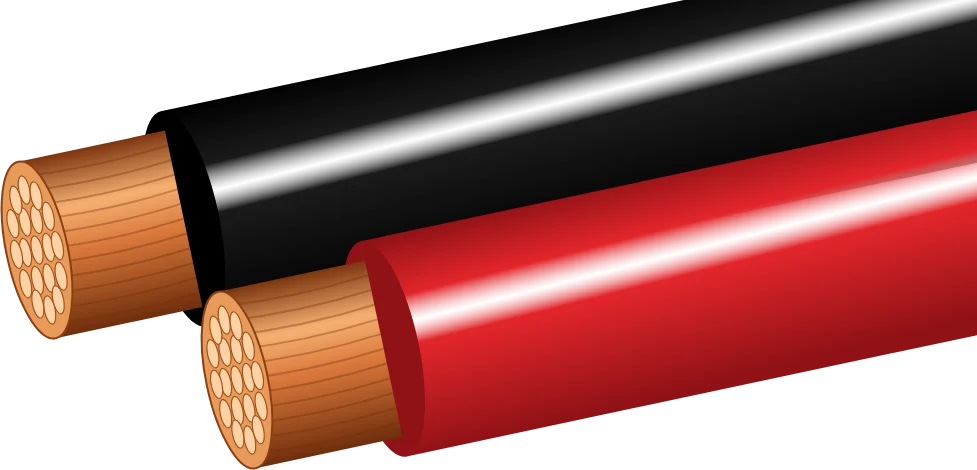
Wire with impure copper, fewer or thinner strands, or thin insulation runs hotter than genuine wire of the same marked size. It may work for a while, then fail under summer loads. See how to identify fake or low-quality electric wire.
A breaker that is too large for the wire will not trip before the wire overheats. Homes without an RCCB have no protection against earth leakage, which can cause shocks and fires.
Chains of cheap extension boards, twisted joints and wires run under carpets are a frequent source of heat and sparks.
If you notice any of these, switch off that circuit and have a qualified electrician check it.
The wire is hidden in walls for decades and is hard to replace. Choosing genuine pure copper wire with full-thickness strands and fire-retardant insulation is one of the cheapest safety decisions you can make during construction. Thrive Cables manufactures single core house wire in Lahore with 99.9% pure copper and fire-retardant PVC insulation, in full-length 90 m coils. Order on WhatsApp at +92 324 6570645.
What is the most common cause of electrical fires in homes?
Overloaded circuits and loose connections are among the most common causes, followed by damaged insulation and poor quality wire.
Does an MCB prevent electrical fires?
An MCB protects the wire from overload and short circuits if it is correctly sized. It does not protect against earth leakage; that is the job of an RCCB. See MCB vs RCCB.
How often should home wiring be checked?
A general check every few years is sensible, and immediately if you notice warning signs or add heavy appliances like ACs.
Electrical fires rarely start without warning. Overloaded wires, loose connections, poor quality wire and missing protection are the usual causes, and each can be prevented. Use pure copper fire-retardant wire of the right size, protect every circuit with the correct breaker and an RCCB, keep the house earthed, and act quickly on warning signs. A qualified electrician should design and check the installation.
Tell us the size and quantity. We reply on WhatsApp the same day.