As homes in Pakistan add more air conditioners, electric ovens and EV chargers, many owners hear the same advice from their electrician: “Three-phase connection le lein.” But what does three-phase actually mean, when does a house need it, and why does everyone talk about “balancing the load”? This guide explains it in plain language, with a practical example of how to split a house across three phases.
| Point | Single phase | Three phase |
|---|---|---|
| Wires from the meter | Phase + neutral | 3 phases + neutral |
| Voltage | 230 V | 230 V phase to neutral, about 400 V between phases |
| Total capacity | Limited by one line | Roughly three times, shared across phases |
| Typical use | Small and medium homes | Large homes, many ACs, shops, offices |
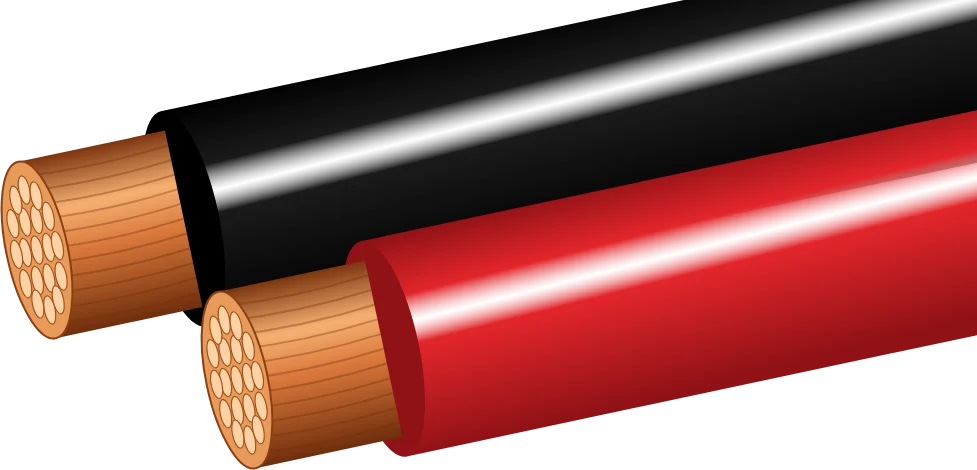
| Colour code | Red phase, black neutral | Red, yellow, blue phases, black neutral |
Most appliances in a house, including ACs, run on single phase 230 V. In a three-phase house, each appliance is connected to one of the three phases. Balancing means spreading these loads so that each phase carries roughly the same current.
If all the ACs end up on one phase, that phase is overloaded while the other two sit almost idle. The overloaded phase heats its wire, trips its breaker and suffers low voltage, even though the house has plenty of spare capacity on the other phases.
| Phase | Loads | Approx. peak |
|---|---|---|
| Red (L1) | 2 ACs (ground floor), ground floor lights and sockets | About 5.5 kW |
| Yellow (L2) | 2 ACs (first floor), first floor lights and sockets | About 5.5 kW |
| Blue (L3) | 1 AC, kitchen with oven, geyser, water pump | About 5.5 kW |
The exact split depends on your appliances. The goal is simple: no phase should carry much more than the others at peak time.
In Pakistan it is common for one phase to fail while the others stay on. Only the circuits on that phase go dark. Some homes use a phase selector or changeover so important circuits can be moved to a live phase. These devices must be installed carefully by a qualified electrician, because connecting phases together the wrong way is dangerous.
Thrive Cables supplies three-phase main line sizes in red, yellow, blue and black, plus every room circuit size, made in Lahore with 99.9% pure copper and fire-retardant PVC insulation. Order at factory price on WhatsApp at +92 324 6570645.
Is three-phase better for a house?
For large homes with heavy loads, yes. It gives more capacity and steadier voltage when the load is balanced. Small homes usually do well on single phase.
Do ACs need three-phase?
Normal home ACs run on single phase. In a three-phase house, each AC is connected to one phase.
How do I know if my phases are balanced?
An electrician can measure the current on each phase with a clamp meter at peak time.
Three-phase supply gives a large home more capacity, but only if the load is shared fairly across the phases. List your heavy appliances, spread the ACs across red, yellow and blue, size the main line for the busiest phase, label every breaker and check the balance on a hot evening. A qualified electrician should plan and install three-phase wiring.
Tell us the size and quantity. We reply on WhatsApp the same day.